

 The Complete Guide to Solo Travel in New York City" >
Stay in hostels near transit lines to minimize time on trains. For a practical start, choose a location in Manhattan’s Lower East Side, Brooklyn Heights, or Astoria where night life is accessible and safety is solid. join a free walking tour on your first night to meet other travelers and get a feel for the city’s rhythm. You’ll find tons of cheap eats, parks, and micro-neighborhood scenes within a short time ride, and some travel tips from locals you meet along the way.
Plan a route that covers a few known neighborhoods: Lower Manhattan, Brooklyn Heights, and Harlem. Take the subway lines (for example 1-2-3, A-C-E, 4-5-6) to minimize walking. note there are occasional service changes; download an offline map and check service alerts. The next stop could be a sunny pier or a tucked-away coffee spot, along the river depending on your energy level.
Balance indoor sightseeing with outdoor moments. There are tons of free options: stroll along the High Line, Bryant Park, and occasional outdoor mostra in summer. For meals, beatnic in Union Square offers plant-based bowls and a reliable option for solo travelers. If you crave water time, kayaking on the Hudson is possible with rentals around $15–25 per hour from organizations near Chelsea Piers. Be aware of scams around street ticket sellers; always buy from official outlets or the venue site. If you see someone offering a “discount Broadway pass,” you should walk away and check directly with the theatre or an authorized reseller.
To meet people and stay energized, choose hostels with common areas and scheduled events. In the evenings, stroll neighborhoods like the East Village or Williamsburg, then catch a sound of street performances or a small live set at a cafe. In a minute, you can switch to wandering side streets if you crave a quieter scene. Treat each move like a chess play: weigh transit time, price, and safety before committing to a plan. mostly you’ll find warm conversations, and some solid connections will follow.
Budget snapshot: average hostels cost about $30–60 per night in off-peak months. Some meals cost around $8–12 for breakfast or snacks, $8–15 for lunch, and $15–25 for dinner at casual spots. Regardless of whether you’ve been here before, plan your days to minimize backtracking and long lines, and save by grouping activities in nearby areas. With a two-to-three day pace, you’ll maximize time and energy without burnout, and still leave room for spontaneous finds along the river and in street markets.
Next steps: reserve a hostel that suits your pace, map a couple of solid neighborhoods, and keep the plan flexible for nights of live music and urban exploration.
Plan Your Routes in Advance
Plan a tight two-day core route and save it in google Maps or google My Maps; keep it completely offline so you can touch the screen anywhere, even with signal gaps. Start with must-see spots and add photo stops to capture the vibe, not just a checklist.
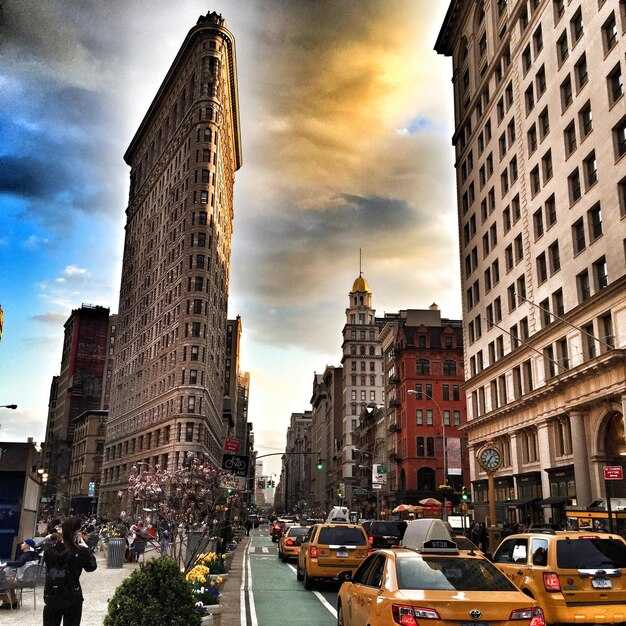
Cluster neighborhoods by walkable blocks: begin in greenwich Village, stroll through SoHo and Chelsea, then loop to the Flatiron District and the Upper West Side. If you’re staying near hotels, map your day so you finish close to your base and avoid backtracking, freeing time for a bite or a longer look at a beautiful corner. Skip silly detours.
Check transit times and walking distances for each segment, and add a buffer. Use the subway app or a trusted information source and look up times before you leave; this keeps you over there rather than backtracking. If the forecast shifts, switch to a shorter loop and keep the pace comfortable.
Save a источник of tips with addresses, hours, and photo-worthy places. Include directions, opening times, and nearby cafes for a quick touch between sites. Taking notes on opening times helps you adjust on the fly. This helps when you’re looking for a place to eat or rest and prevents you from missing a place you meant to visit.
Plan for bite-sized meals along the path: map a cafe near a park for a quick break; this small touch keeps energy up and mood steady. If you’re curious about york vibes, add a quick detour to a bakery in york. You’ll find more beautiful spots when you time it right, and you’ll feel more relaxed over there and completely in control of your day.
Keep a final checklist: a compact map, a backup route, a few indoor options in case of rain, and a quick note to download maps for offline use. With this approach you can cover a lot of ground, stay on track, and finish with a completely satisfying day in New York.
Choose a Base Neighborhood to Anchor Your Routes
Choose Chelsea as your base to anchor your routes for a balanced mix of gallery spaces, bars, and easy subway access; you can reach multiple galleries in only a short walk.
Chelsea, located on Manhattan’s west side, puts you within a short stroll of the High Line, a cluster of galleries, and close to several bars for evening unwind. The cost of admission to major museums varies by season, so you can plan two or three lighter outings and still have time for street photography and a cheese-topped lunch, making the experience genuinely enjoyable.
From Chelsea, you can take a loop that includes the Meatpacking District and a stroll along the riverfront, then return via the subway to keep overpacking at bay. Keep it over two days to spread the energy and avoid fatigue. The idea is to anchor a day with one place and take advantage of others by sampling nearby neighborhoods. Activities and adventure flourish when you mix indoor vibes with outdoor strolls, keeping the itinerary interesting for a solo traveler.
As a solo tourist, you would still feel safe staying within Chelsea’s boundaries, and crime tends to stay moderate in daytime blocks and near the waterfront. Behind the scenes, the area offers a gallery scene, coffee shops, and parks that invite relaxed exploration. Still, you should stay aware after bars close and take note of your surroundings; the lion statue outside the New York Public Library can be a fun photo stop before you head back to base, and there are short film screenings nearby.
Normally, a two- to three-day base plan in Chelsea works well for a first-time solo trip: you would actually notice how conveniently the neighborhood fits morning galleries, a cheese-focused lunch, afternoon activities, and a film at a neighborhood cinema to unwind. If you want a bigger shift, you could explore Harlem or the Lower East Side for a day, but Chelsea remains a solid anchor for most itineraries.
Cluster Attractions by Proximity to Minimize Transfers
Base your solo NYC plan on one walkable cluster per day: Midtown West around moma, the Empire State Building, Grand Central, and Bryant Park; you can cover all four with minimal transfers and comfortable pacing.
Midtown cluster tip: stay within a few blocks of 5th and 6th Avenues to keep eyes on a tight itinerary. A bundled ticket option can cover moma and nearby landmarks at a discount, making the world-class circuit cheaper and still easy. If you’re staying in a hostel, you’ll sleeps better after long days.
Chelsea/Hudson cluster: Move west to Chelsea for the High Line, the Whitney Museum of American Art, Chelsea Market, and the Meatpacking District; the hudson views are unparalleled and the cluster stays compact. For a quick bite, try falafel from israel street vendors and keep a steady pace so your eyes stay on the map.
Downtown cluster: Focus on the World Trade Center complex–One World Observatory, 9/11 Memorial, and the Oculus–then hop a short ferry to Liberty Island if you want a classic photo; this area is totally walkable and fits on a single transit route with minimal transfers. Keep valuables secure and trust your route, not every overcrowded corner.
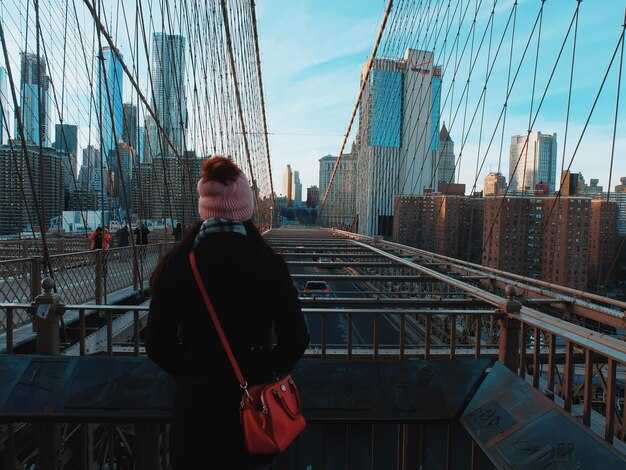
Brooklyn cluster: Cross the river for DUMBO, Brooklyn Bridge Park, and Brooklyn Heights Promenade; a short ride on the F or 2/3 keeps you in the loop. Staying in a brooklyn hostel helps you cheaper and still feel totally part of city life; the skyline views are unmatched and the energy of the performers along the river adds life to your evening.
Practical tips: map your clusters into a realistic daily plan, leave extra time for weather and crowding, and pack light so you can switch stations without fatigue. A simple approach protects valuables and boosts your trust in your own pace–the choice to structure your trip by proximity makes you feel in control of the city’s rhythm and lets you savor each neighborhood.
Estimate Transit Times and Build Travel Buffers
Always add a 25-minute buffer to every door-to-door leg, especially when crossing streets between neighborhoods or changing trains. If you havent started your day with a tight schedule, you can keep buffers around 20–30 minutes during peak hours and 15–20 minutes late at night.
Use a simple, repeatable method to estimate times. base ride time = expected transit time from a current route or app, plus walking time to and from stations. Then add buffers: 10–15 minutes for each transfer, 15–25 minutes for cross-town legs during rush periods, and 20–30 minutes for late-night or weekend service changes. This keeps you productive without rushing, and helps you enjoy the streets and the people you meet along the way. The goal is a predictable plan you can trust while visiting iconic spots such as museums, liberty landmarks, and popular food stops.
- Transit options: subway for most city-wide hops, buses for areas with limited access, and walking when distances are short. Subways average shorter door-to-door times, but wait times and occasional delays can stretch your plan. Buses move through traffic and offer surface views of neighborhoods–handy if you’re sight-seeing between stops.
- Wait and transfer buffers: assume 4–8 minutes of waiting for the next train during the day, plus 5–10 minutes to walk between platforms. Add 10–15 minutes for each transfer when you’re hopping across lines or stations with long mezzanines or crowded concourses.
- Peak vs. off-peak: rush hours (roughly 7–9:30 a.m. and 4–7 p.m.) extend transfer times and slow buses. If you’re visiting a popular museum or liberty-area, add 20–30 minutes to your leg and keep a spare 10–15 minutes for security or crowd lines.
- Accessibility and personal pace: set a natural pace that fits your travel style. If you’re carrying lots of gear or traveling with a group, you may want to add extra minutes to stations with stairs or crowded corridors. Consider that some hostels and neighborhoods have stairs or limited elevators–plan accordingly for a smooth touch-free transition between modes.
- Contingencies and backups: have two options per leg. If the first route stalls, switch to the second option within 10 minutes to avoid losing momentum. This approach helps you stay on track when trains skip stops or buses divert for events.
- Food stops and breaks: if you plan gluten-free food near transit hubs, factor in 10–15 minutes for bite-sized breaks. A quick meal or coffee can refresh your mind before the next leg, keeping you focused for visiting museums or landmarks.
- Example A – Hostel near Union Square to MoMA (Midtown): Walk 8 minutes to the subway, ride 5 minutes on a 4–5-stop line, transfer once for a total transit time of 15–20 minutes, walk 8 minutes to the museum, plus a 15–20 minute buffer. Your total window is 38–53 minutes. If late afternoon crowds hit the platform, add 10 extra minutes, and you’re still on schedule.
- Example B – Chelsea hostel to Battery Park ferry for Liberty Island: Subway 12–15 minutes, transfer once, walk 7 minutes to the ferry terminal, ferry ride 20–25 minutes, security and boarding time 15–20 minutes. Plan 70–85 minutes door-to-door, with a 20–25 minute buffer for lines and weather-related delays.
- Example C – Night visit from a popular museum district to a late-night food spot: Subway or bus 12–18 minutes ride, 5–10 minutes walking, then 15–20 minutes buffer for crowds and check-ins. You’ll still have time for a gluten-free bite or a quick pastry before heading back to your hostel or hotel.
This article focuses on practical planning through real routes and common scenarios for a traveller exploring NYC streets. Start with a concrete plan, then adjust using local updates and personal pacing. If you mind any delays, you can still enjoy the vibe of the city and the people you meet along the way, making smart choices that serve your solo itinerary and your favourite museums, liberty landmarks, and food stops.
Preload Offline Maps and Save Turn-by-Turn Routes
Download offline maps for NYC today to guarantee clear navigation when signal drops. Preload the core areas–Manhattan, Brooklyn, Queens, The Bronx, and Staten Island–and save routes between stations like 34th Street–Herald Square to Grand Central, or from your hotel near Washington Square to Meatpacking District. This setup fits nomadher travel styles, keeps access reliable there, and gives you a steady feeling during long days downtown.
Two practical options: Google Maps offline and OsmAnd. For Google Maps, open the app, go to Menu > Offline Maps, choose Custom Area, and frame NYC’s five boroughs or your planned zones. Download; expect roughly 1.5-2 GB for full NYC coverage. For OsmAnd, install the app, download New York, United States map, and enable offline navigation. Save routes like Central Park to Meatpacking or your hotel to Times Square. Both tools stay secure and ready when data is not available.
Tips for effective offline routing: name saved routes clearly, e.g., “Central Park to Meatpacking,” and enable turn-by-turn navigation before you head underground into stations. Keep the device charged with a small power bank; test the route in a well-lit area to confirm the course before you ride. Underground portions, like the subway tunnels, may truncate live updates, so rely on preloaded data afterwards when you reappear above ground. If you pause for a break at a bar in Meatpacking or another stop, you’ll still have guidance for the next leg of your energy-filled outing–you can adjust plans on the fly while remaining secure.
ist источник: official help pages for Google Maps and OsmAnd guide you through the steps and best practices for offline maps and saved routes.
| App | Offline Preload Steps | Offline Routing Notes | Typical Map Size |
|---|---|---|---|
| Google Maps | Offline Maps > Custom Area; select NYC | Turn-by-turn works offline; verify routes before tunnels | 1.5-2 GB for full NYC |
| OsmAnd | Install; download New York, USA map | Save routes; guided offline navigation available | 0.6-2 GB depending on layers |
| Maps.me | Download United States > New York | Offline routing on main roads | 0.5-0.8 GB for city map |
Plan Contingencies for Delays, Weather, and Night Travel
Make a quick plan: keep a collection of backup routes and shelter options, and forget nothing when you map your trip.
Weather delays require quick adjustments: switch to a safer late-night option, carry a lightweight rain shell, and pack snacks for eating. These steps keep you entirely confident.
If a route isnt clear, switch to plan B and use one of two walkable corridors between neighborhoods; while exploring around the village, touch base with a friend if you travel alone. The thing is to stay adaptable.
Citypass users should verify late-hour access and keep your cards in a zipped pocket; review the contents and know where to go if transit stops run late.
Tips for safer nights: travel as a traveler with a buddy when possible, join a short safety class if offered, and walk each block with attention.
Contents checklist: water, money, a phone with offline maps, a power bank, a light, and a quick safety note to help you stay genuinely calm.
Watch for trucks on busy avenues; stay on the curb side, avoid lingering near delivery trucks after midnight, and keep your bag in sight.
During delays, share your plan with a contact, keep a few nearby hotels in reach, and use a trusted app for rides if needed; these tips make the trip safer and quicker.
If you forget something, call the hotel front desk or the city help line; your bag’s contents can be replaced, but your safety matters more.
Always keep a small touch of flexibility in your schedule, and review this plan before each outing to stay ahead.

















 Português
  English (UK)
  Français
  Deutsch
  Русский
  Українська
  Türkçe
  Polski
  Español
  Italiano
  العربية
  简体中文
简体中文  Ελληνικά
  日本語
日本語  한국어
한국어  Čeština