

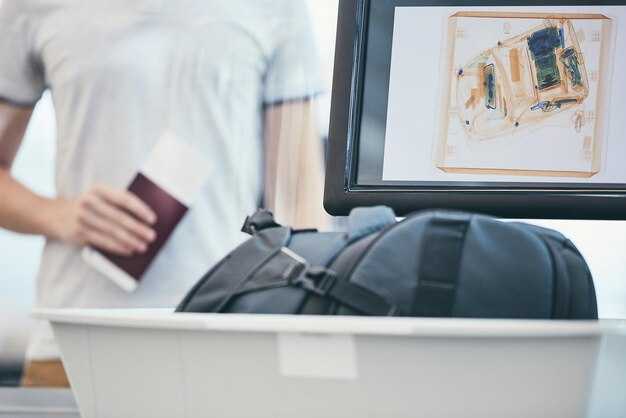
Verify the latest policy before packing and select a light carry-on that fits the standard 22 x 14 x 9 inches. For most domestic flights, you’re allowed one carry-on and one personal item; a checked bag may be added, but any excess weight triggers a penalty. If you’re traveling, especially when moving from haiti or heading to panama, check the international legs separately, because those fees and rules often differ.
Carry-on size commonly caps at 22 x 14 x 9 inches and must fit in the overhead bin or under the seat while you are flying. Smaller bags that go over the dimension may be charged or gate-checked. Keep total weight light, aiming for under 40 pounds for the combined carry-on and personal item. What you can carry on varies by airline, so measure before you pack.
Fees vary by airline and route. A typical first checked bag on a domestic flight costs about $25–35 if you prepay online, $35–50 at the airport. The second bag adds $40–60. Some carriers include a free bag with business or elite status, which reduces the total you pay. Prices tend to increase during peak travel times, and international segments often carry higher charges. Extras like sports gear or musical instruments may have separate rates that you’ll want to include in your planning.
Carry-on rules and personal items: most airlines allow a purse or laptop bag under the seat. The personal item should be light and compact enough to slide under the seat; if you bring a larger item, you may be charged as a carry-on or gate-checked. To avoid extras and penalties, pack smart with packing cubes, roll garments, and limit footwear. For a road trip that includes flights, keep a simple bag that covers your needs without exceeding weight or size limits.
When planning a trip that includes domestic flying interspersed with international segments, compare policy details across airlines. Prepay for bags online to lock in lower prices and use loyalty programs to include a bag in your total fare. If you’re traveling for personal reasons or business, note that some fare classes change the allowance, so always check the exact policy for the ticket you buy.
United Airlines UA Luggage Rules and Practical Scenarios
Always verify your carry-on entitlement before you travel: you are entitled to one carry-on bag (max 22″ x 14″ x 9″) plus one personal item (max 17″ x 10″ x 9″). If you booked Basic Economy, check the route when you buy the ticket, as some domestic and transatlantic flights may require you to pay for a carry-on.
Pack efficiently by placing your designated items in the carry-on and keeping essential items in the personal item. The total of both bags should stay within the allowed dimensions and not exceed the policies. In the event of questions, contact United staff–UA personnel at the gate will verify size and weight there, and you should be prepared to present your boarding pass and ID. When traveling, arrange your items in a linear layout inside the bag to ease inspection.
For long-haul routes, including southbound itineraries and transatlantic journeys, the same carry-on and personal item limits apply. Pack eachtwo outfits in the carry-on to maximize space, and keep liquids inthe quart-size bag, below 3.4 oz (100 ml) per item for international flights. Place larger items in the designated sections of the bag, and use the under-seat area for smaller essentials to stay balanced. In addition, treat the packing like a maharaja organizing treasure to avoid last-minute shuffling.
If you anticipate unusual items or need specifics on a particular flight, consult the official policies or contact United Customer Service. There, you can confirm whether your route permits a carry-on in Basic Economy and whether any fees apply there or on that course of travel.
| Scenario | Carry-on | Personal Item | Notes |
|---|---|---|---|
| Domestic short-haul (general fare) | Yes (22″ x 14″ x 9″) | Yes (17″ x 10″ x 9″) | Most fares include both; verify at booking; Basic Economy on some routes may require payment for a carry-on. |
| Transatlantic long-haul (two adults) | Yes (22″ x 14″ x 9″) | Yes (17″ x 10″ x 9″) | Same limits; plan to avoid checked bag fees by packing efficiently. |
| Domestic with infant gear and child travel | Yes (carry-on) | Yes (diaper bag or small item) | Strollers or car seats may be checked at no extra charge depending on route; check inthe policies. |
Carry-On Size, Weight, and Personal Item Limits on United
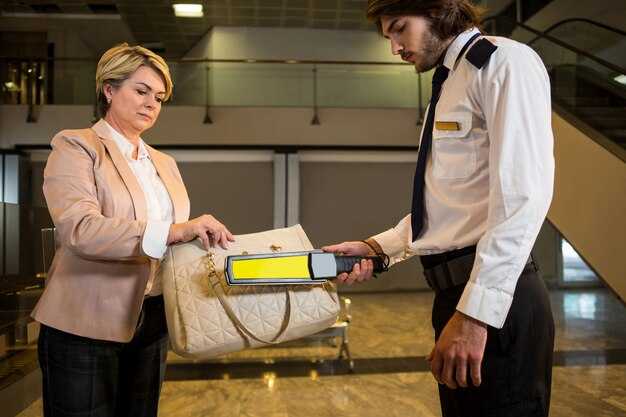
Use a carry-on up to 22 x 14 x 9 inches (56 x 35 x 23 cm) including wheels and handles, and pair it with a single personal item that fits under the front seat.
On United-operated flights, most fares include one carry-on and one personal item, while Basic Economy on some routes requires purchasing a carry-on unless you have eligible status or a fare that includes one.
Your personal item should stay under the seat in front of you. Choose a compact bag such as a purse, laptop bag, or small backpack, and avoid overstuffing it so you can slide it under the seat when needed.
There is no published weight limit for carry-ons. You must be able to lift the bag into the overhead bin and slide it in flat; if the item feels heavy or awkward, consider checking it to save space and avoid delays.
Medical devices and assistive equipment receive priority handling. You may bring essential medical gear in addition to your carry-on; notify the crew as needed and consult airportpo resources for any required documentation or arrangements.
Plan your space carefully: place heavier items toward the bottom of the carry-on and keep frequently used items in the personal item for easy access during boarding and the flight, which helps you manage overhead bin space and front-seat accessibility.
For third-party bookings or codeshare itineraries, verify the same limits before you fly, as rules apply to United-operated segments and international legs. If a flight changes operator, check the latest guidance at booking and at the gate to avoid surprises in overhead space and cabin size.
Prohibited items and security rules apply at customs and airport checkpoints. Pack liquids in compliance with the 3-1-1 rule and keep your essentials in the personal item for quick access, especially during transit through the airportpo ecosystem.
Quick reference: carry-on max 22 x 14 x 9 inches; personal item under the front seat; no published kg70 threshold for carry-on eligibility, but extremely heavy items should be checked. Always confirm at booking and at the gate for your specific flight and fare class.
United’s Checked Bag Fees: Domestic vs. International and Changing Policies
Verify your fare rules and status before packing. For us-bound domestic itineraries, United’s checked bag fees typically charge $35 for the first bag and $45 for the second; the third bag costs $150. Premium, business, and MileagePlus Premier members wont pay these base charges on many international routes if their fare or card includes a bag allowance. Check airportpo data and the official guidelines where you find the latest tables.
On international routes, the first checked bag is usually $35, the second about $100, and the third around $200, with exceptions by fare type and destination. Premium cabins or MileagePlus Premier members may receive a free first bag on certain international routes, including many routes to japan; Basic Economy or certain fare classes may still require paid bags.
Infants bring extra considerations: you can carry a diaper bag in addition to your carry-on and personal item, while most strollers or car seats can be checked at the airport and do not count toward the standard piece allowance. Medical devices or equipment may be allowed in addition to your regular carry-on as long as you declare them and follow screening guidelines; always confirm any special item at check-in or with the gate crew so you avoid surprises at boarding.
To minimize fees, align your plan with your status or premium cabin and limit the number of pieces. If you must take more than one bag, aim for fewer, larger pieces that stay within the carry-on size and piece allowance; for longer routes or routes to japan, compare different carriers and fare options within the same reservation to balance price vs. convenience. You may feel like the maharaja of the cabin when you travel with a lighter load, yet still keep essentials.
Guidelines for multi-route itineraries: in general, fees can differ between segments, so verify the port of departure and arrival for each leg. Use the routes section on United’s site and the airportpo tool to confirm current charges; if you travel between hubs or on international legs, the allowance may change and affect how you pack for boarding.
Overweight, Oversize, and Special Handling Fees on United
Check online for your exact baggage allowances on your us-bound route before packing, and prepay online to save time.
For typical domestic US-bound travel on United, a checked bag fee applies to the first and second items: the first bag commonly costs $35 and the second bag $45. If a bag exceeds weight limits, overweight charges apply: 50–70 lb (23–32 kg) incurs a $100 fee, while 71–100 lb (32–45 kg) costs $200. In addition, bags that exceed linear dimensions (62–115 inches) carry an oversize fee of $200. If you encounter a weight reference like 44 kg in internal notes, that kg44 marker is used as a placeholder in some packing guidance and should not replace the official limits published online.
Carry-on and hand luggage rules stay consistent: one carry-on bag plus a personal item are allowed on board, with size and weight checks at the gate if needed. For international or transatlantic legs added to a US-bound journey, the fees above can apply on the checked bag portion, but the free-bag allowances depend on destination and fare. When you book, verify the specific baggage allowances and any route-related additions in the online booking flow or the baggage page linked to your routes.
Special handling fees cover equipment that requires extra care or space, such as sports gear (golf bags, skis, snowboards) or items needing manual handling. Typical sport-gear charges run around $150 per item on domestic trips and can rise to about $200 on many international routes, with overweight or oversize surcharges stacked on top if applicable.
On transatlantic or other long-haul connections, fees align with the same weight and size thresholds, but allowances may be more generous or carved into fare rules for certain markets. If you fly Haiti-bound or other regional routes, expect the same per-item structure for checked baggage, plus any destination-based waivers you hold as an entitled member or as part of your card or bank-issued benefits. Always confirm online with your reservation so you can plan how to pack–and whether you should pack extra items as carry-on or ship them separately.
Practical steps to limit costs: pack with care to stay under 23 kg per bag when possible, use online check-in to confirm allowances, and consider shipping bulky gear via a carrier if fees for one item exceed the cost of shipping a small box. When paying, use a credited card issued by a reputable bank to ensure smooth processing, and keep your bags within the stated dimensions to avoid the oversize surcharge. During a connection, keep carry items compact to reduce the risk of gate-check charges at the next boarding point, and review any hand-luggage allowances before you head to the gate.
What Fits in a Carry-On vs Personal Item on UA, and What Doesn’t
Use a carry-on that stays within 22 x 14 x 9 inches and pair it with a personal item that fits under the seat; this setup covers most traveling needs on UA and keeps boarding smooth.
UA allows eachtwo items: a carry-on bag and a personal item. The carry-on must stay within the 22 x 14 x 9 inch limit (including wheels and handles). The personal item should fit under the seat in front of you. On most trips, this pairing lets you board quickly and keep essentials within reach.
- Carry-on that fits – Pack enough for a short trip without exceeding the limit. Roll clothes to maximize space, place bulkier items at the bottom, and reserve a dedicated pocket for cords and electronics. Keep your musical items (like small instruments) appropriately protected and small enough to slide in without forcing the limit.
- Items that belong in the carry-on – Clothing for a couple of days, a compact toiletry kit, sneakers, a light jacket, and a tablet or laptop in a sleeve. If you’re traveling with fragile protection needs, use a cushioned bag or add a soft layer around delicate gear.
- Personal item that fits under the seat – Think purse, laptop bag, small backpack, or camera case. This item should stay under the seat to keep you comfortable on board and to avoid weight conflicts with the carry-on.
- What fits in the personal item and what doesn’t – If it won’t fit under the seat or adds significant weight, reconsider placement in the carry-on. The personal item should be compact enough to avoid blocking aisles or the path to the board.
- Oversized items – Anything clearly larger than the UA size limit is not allowed in the cabin. Those bags must be checked at the check-in desk or gate. Expect a check fee, and the bag will move to the cargo flow rather than the overhead bins.
- Weight notes – There is no kg44 published weight limit for carry-ons, but extremely heavy bags can trigger a gate check or require moving items to another bag or to checked luggage. To avoid surprises, keep the combined weight of your carry-on and personal item reasonable (roughly a few tens of pounds, depending on your packing).
Where to focus your packing: for a 1–3 day trip, a single carry-on plus a personal item covers most needs on United. If you’re traveling to Alaska or another destination with longer stays, plan a leaner carry-on and reserve space in your personal item for essentials. Those who pack like Shannon and want protection for valuables should consider a compact, padded personal item or a small protective case inside the carry-on. If you need more space, you’ll likely check a bag or add pieces at the counter, and those costs can add up–prices vary by route and status.
Tips to optimize the setup: know the exact number of pieces you’re allowed (two: eachtwo items) and keep a simple packing list. Pack by weight distribution: heavier items low and center in the carry-on to maintain balance on board. Use a banks of compartments to keep cables, chargers, and small items organized. If you anticipate pushing the limits, consider a lightweight, expandable bag that stays within the maximum dimensions so you can avoid extra checkout fees or an at-the-gate check. Your goal is smooth boarding, quick stowage, and a trip free of extra charges.
Bottom line: most days you’ll be fine with one carry-on and one personal item. If an item is oversized or heavy, you’ll need to check it or re-pack to fit under the limit. Know your route (including Alaska connections) and the number of pieces you’re allowed, then pack efficiently to protect your gear, stay within the limit, and keep the journey comfortable from the first boarding to your arrival.
Practical Tips to Minimize Fees and Navigate UA Rules
Always verify your ticket type online and add a pre-purchased carry-on if your fare does not include one, to avoid gate fees and last-minute charges.
Choose smaller luggage within UA guidelines: a carry-on plus a personal item, both fitting within the maximum dimensions, and place heavier items at the bottom for stability.
Skip nonessential items and keep weight light; use packing cubes and weigh bags at home to stay under limits; keep critical devices in your hand luggage for quick access at security.
When you check in online, you can view allowances and the price for additional pieces; for routes to alaska, zealand, japan, or india, allowances may differ, so review them per itinerary.
Distribute weight across two bags if needed: the eachtwo bag approach reduces the risk of oversized charges and helps you stay within the field limits for a single ticket.
Use security guidelines to guard privacy and safety: store electronics and batteries in the bag you carry on, and keep cables and devices accessible during screening; this can speed up the line.
If an item seems truly oversized, check the route’s field Guidelines; you cannot add it as a single ticket piece and avoid a fee, so re-pack or leave it behind.
In the greater scope of travel, planning inthe rules for intl itineraries helps reduce fees: for example, with alaska, india, zealand, or japan segments, you can align weight, pieces, and ticket constraints to keep totals low.
Track expenses and adjust: buy online, compare online-only rates, and aim to keep the total number of purchased pieces to two or fewer on most itineraries.




















 English (UK)
  Français
  Deutsch
  Русский
  Українська
  Türkçe
  Polski
  Español
  Italiano
  العربية
  简体中文
简体中文  Ελληνικά
  日本語
日本語  한국어
한국어  Čeština
  Português