


Do not send a deposit or make any transfers before you verify the listing with the host on the platform. Use official services and initiate a video meet to confirm the property, then compare the neighborhood details with public maps to verify the location. Rely on the platform’s messaging and avoid payment outside these channels.
Scrutinize the advertising for inconsistencies: photos that do not match the listing, descriptions that overstate amenities, or claims of a larger discount can signal a scam. Verify that the posted photos align with the property’s layout and the neighborhood, and check if similar listings exist with the same images. If something feels off, pause and cross-check with these sources.
Ask for full disclosure of all fees and demands for payment. A legitimate host will disclose the total price, the security deposit, cleaning fees, and any upfront amounts. Be wary of requests for transfers to unfamiliar accounts or for payments via overpayment schemes, and of hosts who are asking you to bypass the platform. If the host asks for an overpayment and a return of the difference, that is a classic red flag; decline and move on.
Verify the host’s identity and property details manually. Ask for a physical address, a verified business name, and contact via the platform. Cross-check the listing’s photos, descriptions, and neighborhood details manually against public records and maps; consider the host’s response time and the posting activity. If verification tools are avoided or the host pressures you to meet in person outside the platform, end the conversation. Use multiple sources and these signals to form a judgment.
Turn to platform support when in doubt. Report suspicious listings to the platform’s security services, attach screenshots of the discrepancies, and note any very urgent language or advertising tactics in the description. By relying on a structured checklist and these practical steps, you reduce the risk of losing funds and avoid assuming trust based on a single detail. If a host pushes for quick decisions on transfers or advertising that looks unusual, walk away and search for other listings that meet standard verification practices and neighborhood information.
Spotting Scam Listings and Upfront Payment Schemes in Short-Term Rentals
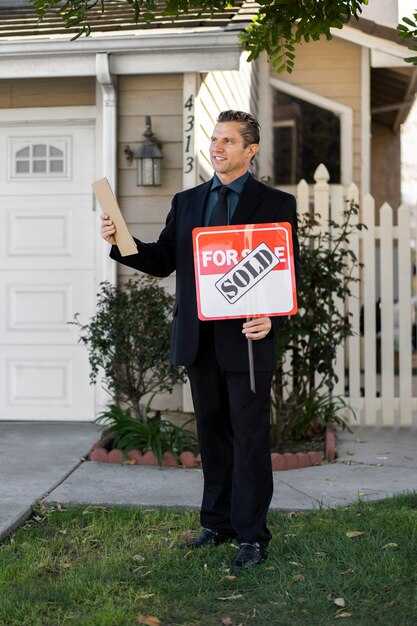
Always require a live or recorded showing and confirm the host’s identity before paying. Use the platform’s chat and call features to verify the listing’s address, photos, and manager details. If the host refuses public contact or avoids a real showing, this usually indicates hiding and a potential scam. Hate scams? These checks help you stay protected.
Upfront payment schemes thrive on urgency; do not transfer funds or provide personal data before you see the space or receive a formal invoice through the platform. Never use Zelle or any off-platform method to pay the host, and request a documented receipt.
Check the estate details and market alignment. If the listing claims a doorman, a high-rise presence, or a turnover number that cannot be verified on public records, treat it as a red flag. These indicators often imply hiding or a false identity.
Compare prices with the local market; if the rate is fewer than comparable listings, or if the offer bundles fees without itemization, apply skepticism. Ask for a clear invoice detailing these items: nightly rate, taxes, cleaning, and security deposit.
Ask for feedback from recent guests and verify the host’s public presence: owner or property manager contact, official estate listing, and verified photos. These steps reduce the chance of outright deception and help confirm true details.
Prepare a short checklist to guide every booking: require a verified address, insist on live showings, use platform payments, and prohibit private messages outside the platform. If services are advertised (concierge, cleaning, etc.), confirm they exist through official channels. If the host says this is the only way or the doorman will meet you, indicate you want to verify with the building management.
These practices lead you to choose safer options in the market and protect your finances. When you spot red flags, report the listing, and keep all communications as evidence. Also, maintain copies of invoices and screenshots to support a refund or dispute.
Host Verification Gaps: No verified profile, new account, or missing company details
Always verify host profiles before you stay; if there is no verified profile, a new account, or missing company details, do not proceed with the booking. If you are able to confirm key details, you gain extra confidence in your choice.
- Check verification status: look for a verified profile badge, identity checks, and a publicly listed company name; provided details should align with the platform’s records and the listing name.
- Assess the host’s account history: an account that’s new (under 3 months) or has few completed stays is more vulnerable to scams; especially new accounts show more issues.
- Insist on complete company details: name, legal entity, registered address, and tax information; if these cannot be provided, treat as a red flag and move on.
- Review payments and applications: require platform-secured payments and clear cancellation policies; avoid any application or instruction to pay outside the platform; beware requests to hold funds or process payments via bank transfers or cashiers.
- On-platform communication: keep all messages within the platform; hosts who push you to email, message outside, or share private contact details are a cautious sign; store conversations for reference in case of a dispute.
- Look for pressure signals: desperate pricing, rushed bookings, or unusually steep discounts should prompt cautious consideration; these are common tricks to lock in a stay before you verify details.
- Case checks: if verification is lacking, search for alternative listings with established policies and strong review histories; rely on verified hosts with long tenure.
- Finding the opportunity to stay safely: use searches that filter for verified profiles and company details; this gives renters a large advantage on large platforms.
When you write notes about a listing, record the host’s verification status and any provided company information so you can compare against later checks. Understanding these gaps helps you stay cautious, especially in cases where a listing seems compelling but lacks essential safeguards. If you cannot verify a host, here are the precautions to take: move on, report the listing, and continue your search searching for verified options.
Photo and Description Mismatches: Stock images, inconsistent location, or missing amenities
Begin with a photo-to-description check: insist on real, unit-specific photos rather than stock images, and verify the exact address on the map before staying.
Advertising-driven visuals often mislead. Stock images are common on portals to attract attention. Compare each photo to the listing text. Do the beds, layout, and amenities match? If a set looks generic or doesn’t reflect the unit, request recent shots or a live tour; this can spare you from a misrepresented stay. Beware of requests to pay cashiers outside the platform.
Inconsistent location details await closer scrutiny. Use the portal’s map link to confirm the neighborhood, transit options, and walkable distance to landmarks. If the address varies across portals or the pin feels off, ask for a precise street, unit number, nearby cross-streets, and a confirmation of the true neighborhood; if they hesitate, escalate to support.
Missing amenities trigger immediate checks. Cross-check the advertised items–Wi-Fi, kitchen gear, laundry, parking, heating or cooling, elevator access–and ensure they appear in photos or the amenities list. If a promised feature is missing, request a corrected description or a cancellation option with protection terms through the consumer-facing portal. Guests and students traveling for short stays need a desk, reliable Wi‑Fi, and quiet space to work or study. This matters for the consumer seeking a fair deal, and verify that any promised amenities are permitted by local rules.
Ask for direct confirmation from the host: a quick video walkthrough, date-stamped photos, or a short live tour; this helps you avoid anonymous or unverified listings. Look for a real host connected to a legitimate hotel, brokerage, or portals network; Horigan networks appear in large portfolios–review their prior listings and feedback. If you can’t verify the host identity, involve the portals’ support process.
When you spot a mismatch, document details and keep a review trail. Review the booking clause and protection policy, then contact the host with specific questions, and file a report with the platform’s support or protection procedures. If the listing still resembles a scam, consider a cancellation with a refund option and explore alternatives that align with your plan and budget; if needed, portals can involve compliance or enforcement teams to protect consumers. That’s the prudent move to protect your money.
Upfront Payment Red Flags: Large deposits, non-refundable terms, or requests to wire money

Platform Trust Cues and Communication: Off-platform messaging, pressure to hurry, or lack of booking history
Never complete a booking or sign a lease outside the platform; keep all messages and payments within the platform to preserve protection. Use the review system to assess the host and verify that the unit and apartment details align with the building’s doorman and municipal records. If conversations drift to non-platform channels, end the chat and report the listing.
Look for off-platform messaging, requests for direct payment, or a rush to seal the deal. In western neighborhoods, some hosts push a tight deadline and claim a unique commission setup, and the listing includes promises of amenities that may not exist. Excessive flexibility in showing times or refusing to share verifiable photos signals a sketchy process. Running dialogue on a single channel and delays in providing verified documentation could force a decision, and may lead to a fake listing being believed.
When a listing has little or no past review, verify the addresses and neighborhood through independent sources. Request additional photos showing the furniture, layout, and the actual unit, as well as confirmation from a doorman or building resources. Conducting a live walkthrough or video tour helps verify details. Verifying the addresses now reduces risk of stolen funds or mislabeled units and helps confirm the apartment exists where claimed.
To protect yourself, follow these steps: stick to the platform during the process, request verifications, and compare what you’re told with public records and municipal data. If the host cannot verify the doorman, neighborhood details, or the furniture and address, or insists on non-platform payment, disengage. This approach helps ensure the listing is legitimate and that your personal information stays safe while you explore a working, comfortable space.
| Red flag | Why it matters | What to do |
|---|---|---|
| Off-platform messaging or direct payment request | Platform protections and review history are bypassed | Refuse off-platform moves; stay on-platform; report to support |
| Pressure to hurry or sign | Rushed decisions increase risk of scams | Ask for more time; insist on verified photos and a video tour |
| No booking history or reviews | Higher chance of fake listing or stolen data | Request more references, check addresses and neighborhood; look for municipal verification |
| Inconsistent or vague unit details | Mismatch with furniture, layout, or building resources | Ask for multiple photos, confirm doorman access, verify unit number, and cross-check with municipal records |
| Requests for personal documents or unusual commissions | Risk of identity theft and non-standard payments | Decline sharing sensitive data; use platform channels; question documented commission terms |
Pre-Viewing Data Requests: Requests for sensitive personal info or lease terms before seeing the space
Never share sensitive data or lock in lease terms before you see the space. If a listing asks for your full name, date of birth, government ID, or a copy of your passport, stop and verify through official channels. Legit ads will advertise the space and arrange a tour without exposing you to a lengthy data handoff.
Be aware that scammers push for rapid decisions to reduce your opportunity to compare options. Use these tips to determine legitimacy and protect your stay.
- Require a viewing first. A true listing will have a scheduled tour with the host or a doorman present and will not insist on manually handing over documents before you tour the place.
- Check what you’re asked to provide. Avoid requests for full personal records, lease terms, or payment details before you see the space. If someone claims a “fully guaranteed long-term” or “leasebreak” option, push for written terms and a site visit before any commitment.
- Keep data on file. Note and record all requests in one place, and respond only through the official platform channels. Third-party messages or promises outside the platform should raise caution.
- Watch for illegal or outright coercive demands. Any demand for wire transfers, prepaid deposits, or illegal terms before viewing is a red flag, and you should walk away.
- Screened vs. unscreened processes. A legitimate host will screen guests through the platform after a tour, not require you to disclose sensitive info upfront. If screening happens, ensure it stays within the platform and occurs after your visit.
- Ask concrete questions about terms in writing. If a host claims a “term” or lease language that seems unusual, request a formal document and a rider you can review after you’ve seen the space, not before.
- Be mindful of cheaper or faster options. If someone advertises an “outright” discount or an extremely short turnover window with no in-person tour, that’s a signal to pause and verify.
- Protect guests who are new to short-term rentals. Students or guests staying briefly often face more aggressive pressure; rely on closed-loop communications and avoid sharing sensitive data to secure lodging.
- Maintain awareness of presence and credibility. A genuine listing will provide a full address, clear photos, a verifiable host profile, and contact options that lead to a real space, not a vague pretext for data collection.
- Note the risks of third-party managers. If a third party asks for documents or lease terms before a viewing, insist on direct host contact through the platform and a confirmed in-person tour. This reduces the likelihood of counterfeit listings and protects your record and reputation.
















 English (UK)
  Français
  Deutsch
  Русский
  Українська
  Türkçe
  Polski
  Español
  Italiano
  العربية
  简体中文
简体中文  Ελληνικά
  日本語
日本語  한국어
한국어  Čeština
  Português